
Understanding Ashwagandha in the Context of Stress
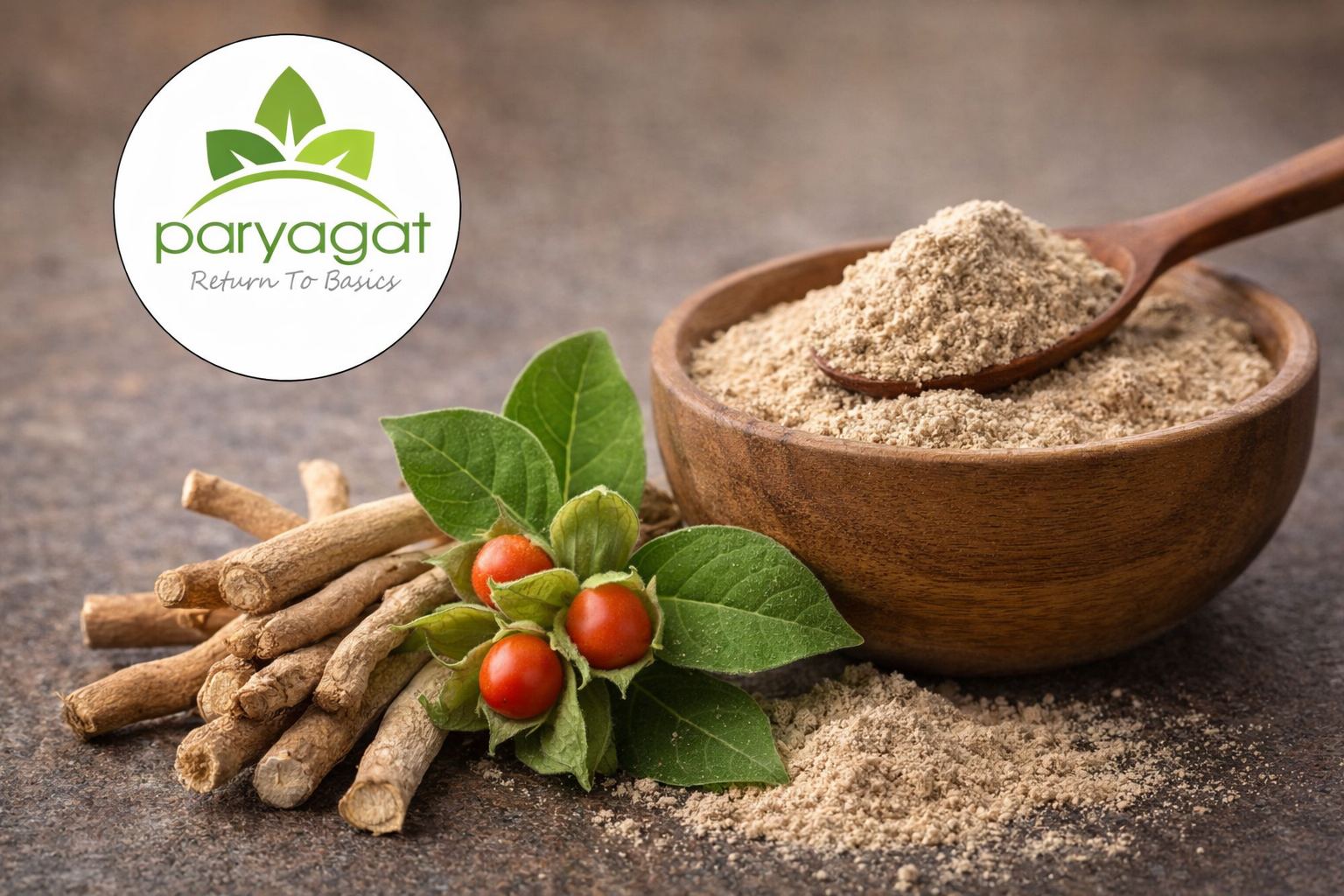
Ashwagandha is a traditional herbal root that has been respected for centuries for its role in supporting calmness, balance, and adaptability in everyday life. While modern conversations often associate stress with busy schedules and mental overload, traditional wisdom viewed stress more broadly — as any situation where the body and mind are pushed out of balance.
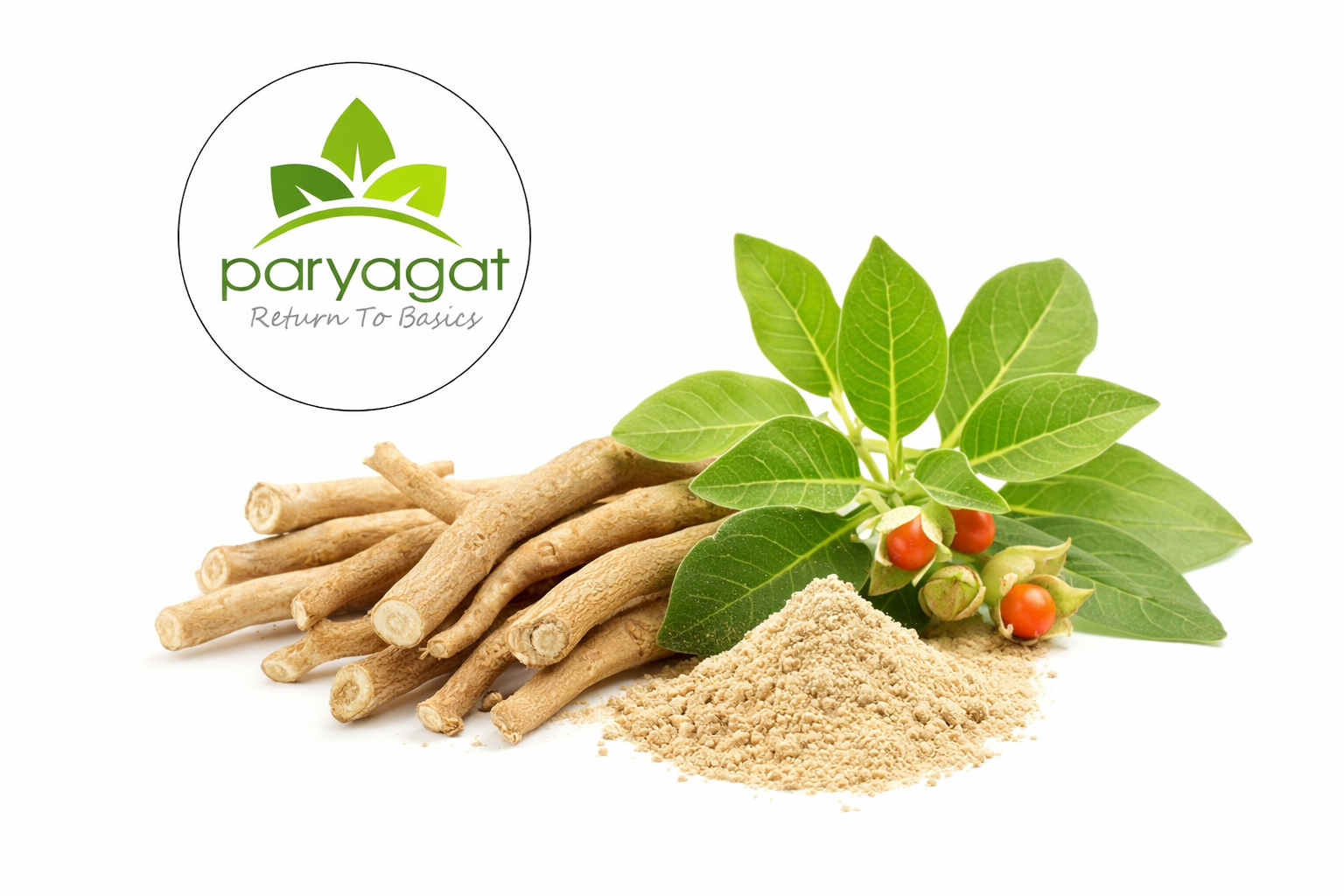
Ashwagandha was historically introduced during such phases, not as a quick fix, but as a long-term companion herb that supports the body’s natural ability to stay steady. The root grows slowly underground, drawing nourishment from the soil over time. This slow growth is symbolic of how Ashwagandha is traditionally used — gradually, patiently, and consistently.
Unlike stimulating herbs that aim to energize or excite the nervous system, Ashwagandha has always been associated with grounding and stabilization. It was included in routines when individuals felt mentally overworked, emotionally unsettled, or physically drained due to demanding lifestyles.
At Paryagat, Ashwagandha is cultivated with close attention to soil health, root maturity, and gentle processing, ensuring the herb retains its natural character and traditional integrity.
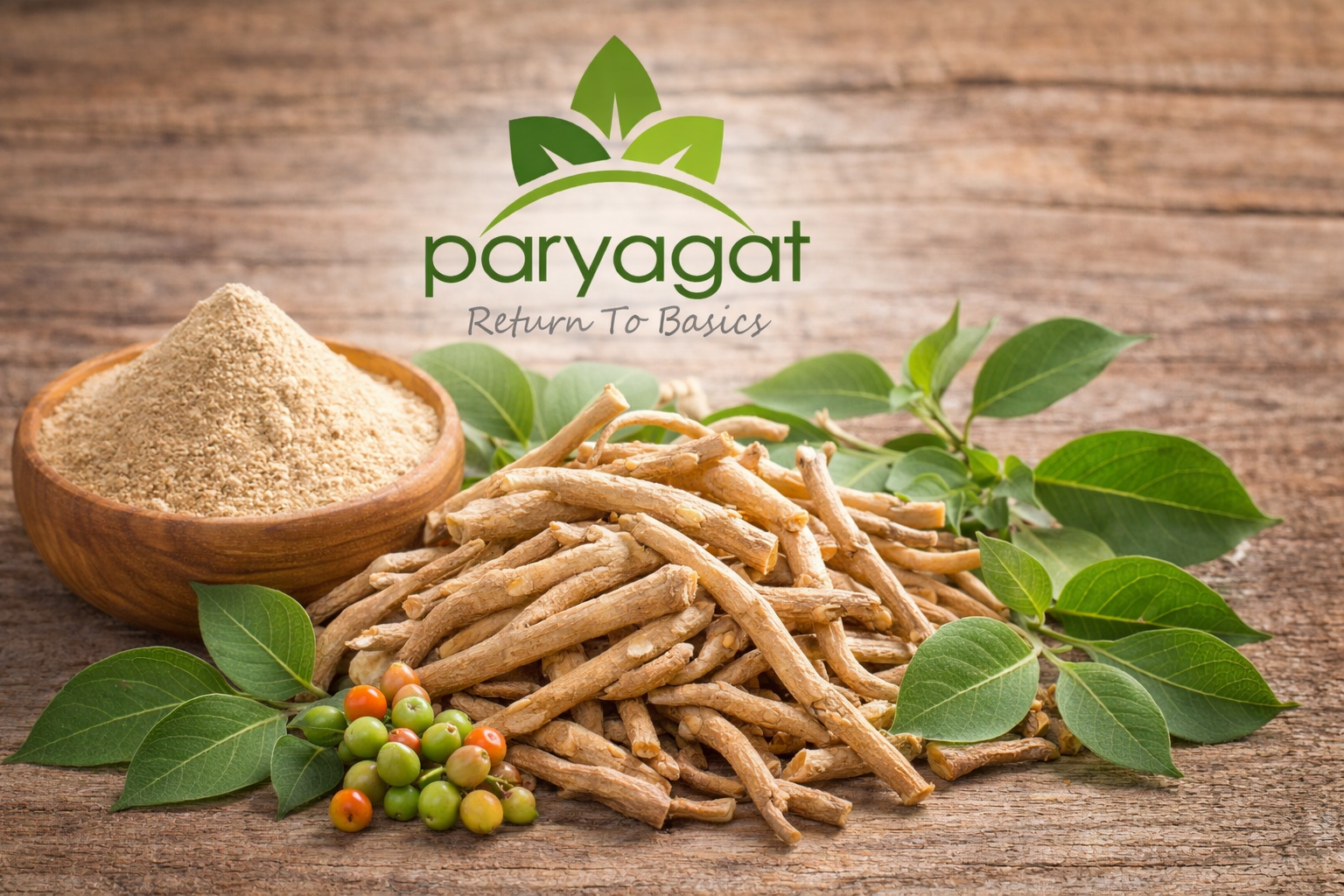
If you are looking for authentic Ashwagandha Root Powder prepared with care, you can explore it here:
👉 BUY NOW
2. Natural Composition of Ashwagandha (Educational Overview)
Ashwagandha roots naturally contain a variety of plant-origin compounds that develop as the root matures underground. These compounds exist naturally in balance and are not isolated or artificially enhanced in traditional use.
Some naturally occurring groups of compounds discussed in botanical literature include:
-
Withanolide-related plant compounds
-
Naturally occurring alkaloid-like elements
-
Polysaccharides
-
Plant sterols
-
Antioxidant-associated compounds
Traditional wisdom does not focus on individual compounds in isolation. Instead, the value of Ashwagandha lies in the synergy of the whole root, where each natural component complements the others.
This is especially important for stress-related routines, where balance matters more than intensity. Paryagat follows a whole-root processing approach, ensuring:
-
No chemical extraction
-
No isolated concentrates
-
No synthetic fortification
This keeps Ashwagandha aligned with its traditional role as a gentle, balancing herb.
3. Why Choose Paryagat Ashwagandha for Stress Management?
When Ashwagandha is used for stress-focused routines, purity and processing quality become critical. Poor-quality products can disrupt the very balance people are trying to achieve.
Farm-Based Cultivation
Paryagat grows Ashwagandha on monitored farmland, ensuring traceable sourcing and clean soil conditions.
Chemical-Free Growing Practices
No synthetic fertilizers, pesticides, or growth stimulants are used. This supports a clean final product suitable for regular use.
Full Maturity Harvesting
Ashwagandha roots are harvested only after reaching proper maturity, allowing natural compounds to develop fully.
Gentle Drying & Grinding
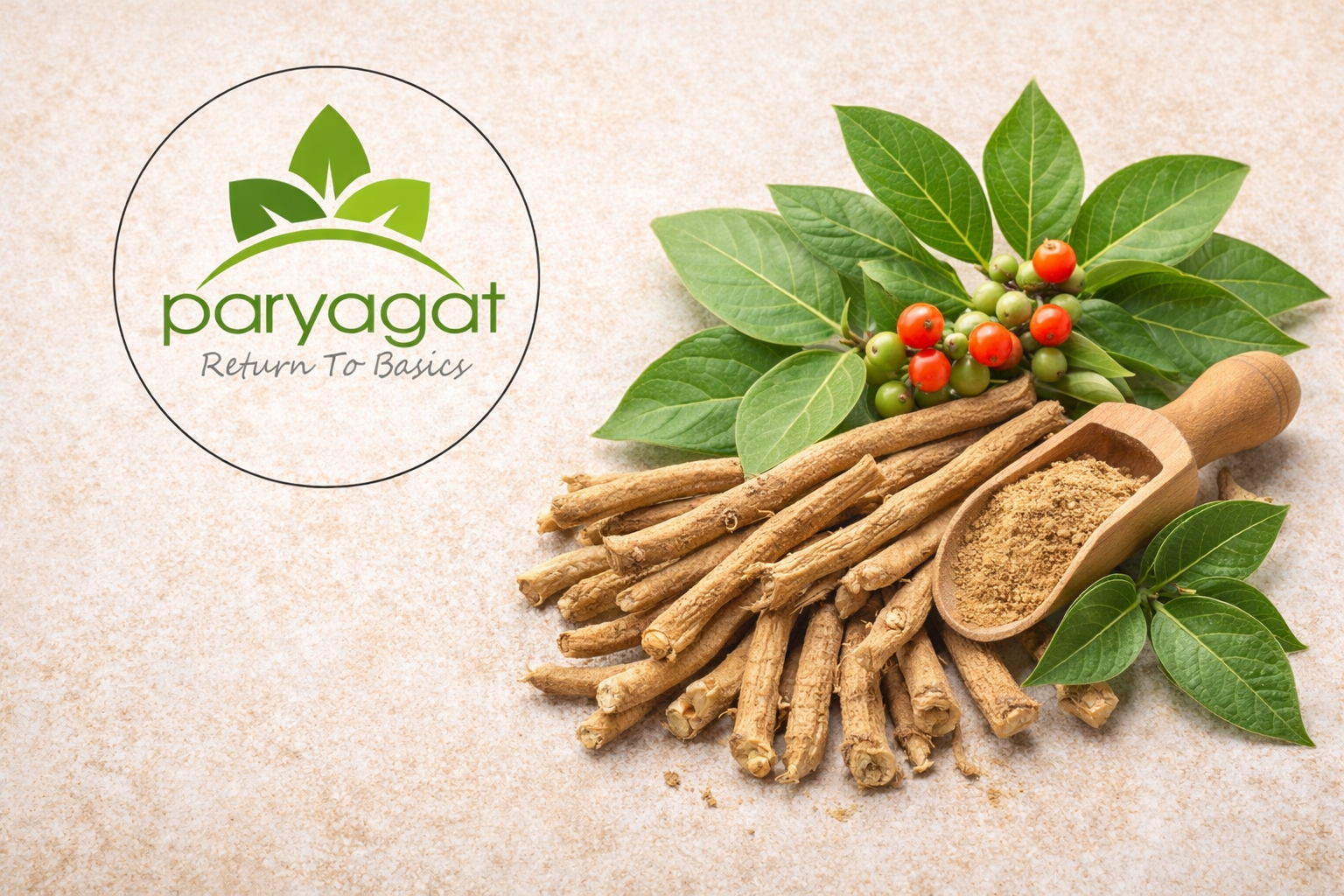
Roots are shade-dried and ground under controlled temperatures to preserve natural aroma and structure.
Clean Label Commitment
No artificial colors, preservatives, fillers, or additives are added.
For those seeking a trustworthy Ashwagandha to support stress-management routines, explore:
👉 BUY NOW
4. Traditional Understanding of Stress & Ashwagandha’s Role
In traditional knowledge systems, stress was not viewed as a single condition. It was understood as imbalance caused by excess — excess work, excess worry, excess stimulation, or irregular routines.
Ashwagandha was introduced during such phases to help individuals:
-
Slow down mentally
-
Re-establish routine
-
Improve emotional steadiness
-
Support restful living
Historically, Ashwagandha was used:
-
During periods of intense responsibility
-
After physical or mental exhaustion
-
In times of emotional upheaval
-
When daily routines became irregular
Rather than suppressing stress, Ashwagandha was believed to help the body adapt more gracefully to pressure. This concept of adaptation is what makes the herb especially relevant for modern lifestyles.
5. Lifestyle & Wellness Benefits of Ashwagandha for Stress Management
(Traditional & Policy-Safe Context)
⚠️ Important note: The following benefits are described in traditional, lifestyle-based context only, not as medical treatment or cure.
Mental Calmness & Emotional Balance
Ashwagandha has traditionally been included in routines aimed at promoting inner calm and emotional steadiness. It is often associated with:
-
Reduced mental restlessness
-
Better emotional control
-
A calmer response to daily challenges
Stress Adaptation (Not Stress Elimination)
Rather than eliminating stress, Ashwagandha is traditionally used to support the body’s ability to adapt. This makes it suitable for people dealing with:
-
Work pressure
-
Academic demands
-
Family responsibilities
-
Lifestyle transitions
Sleep-Friendly Evening Routines
Stress often disrupts sleep patterns. Ashwagandha has historically been included in night-time routines focused on:
-
Relaxation
-
Mental unwinding
-
Establishing consistent sleep habits
Energy Balance Without Stimulation
Ashwagandha is not a stimulant. Instead, it is traditionally associated with balanced energy levels, helping individuals avoid:
-
Burnout
-
Overexertion
-
Sudden energy crashes
Nervous System Comfort (Traditional View)
In traditional understanding, Ashwagandha is linked with grounding the nervous system, helping maintain steadiness during emotionally or mentally demanding periods.
Hormonal Balance–Focused Lifestyle
Chronic stress can disrupt internal balance. Ashwagandha has historically been included in routines emphasizing overall internal equilibrium, which indirectly supports stress management.
Focus & Mental Clarity Under Pressure
Ashwagandha has traditionally been associated with maintaining clarity and attention, especially when individuals are under sustained pressure.
Physical Stress & Fatigue Support
Stress is not only mental. Ashwagandha was also used in routines supporting recovery from physical fatigue, helping maintain endurance and consistency.
Immunity-Supporting Lifestyle During Stress
Long-term stress can weaken resilience. Ashwagandha has been included in seasonal and lifestyle routines supporting overall strength during demanding phases.
Emotional Stability During Life Transitions
Ashwagandha has historically been used during transitions such as:
-
New jobs
-
Relocation
-
Changing responsibilities
-
Aging-related lifestyle shifts
To include Ashwagandha in a stress-management–focused routine, explore:
👉 BUY NOW
6. Frequently Asked Questions (FAQs) – Ashwagandha for Stress
1. Is Ashwagandha a medicine for stress?
No. It is a traditional herbal root used in lifestyle and wellness routines.
2. Can Ashwagandha be used daily for stress management?
Traditionally, it has been used consistently and in moderation as part of daily routines.
3. Does Ashwagandha act like a stimulant?
No. It is traditionally associated with balance, not stimulation.
4. Is Paryagat Ashwagandha suitable for long-term use?
Yes, when used responsibly as part of a balanced lifestyle.
5. Does it contain additives or preservatives?
No artificial additives or preservatives are added.
6. How is Ashwagandha traditionally consumed for stress routines?
Often mixed with warm milk or water, especially in the evening.
7. Where can I buy authentic Ashwagandha Root Powder?
👉 BUY NOW
Conclusion
Stress is a natural part of life, but how we respond to it defines long-term well-being. Ashwagandha has been trusted for generations as a herb that supports calmness, balance, and adaptability — not by overpowering stress, but by helping the body handle it more gracefully.
Paryagat’s Ashwagandha Root Powder reflects this traditional philosophy by offering:
-
Farm-grown purity
-
Whole-root processing
-
Chemical-free cultivation
-
Gentle, balanced preparation
For individuals seeking a natural, tradition-based approach to stress management, Ashwagandha from Paryagat offers a thoughtful and reliable option.
Add comment
You must be logged in to post a comment.