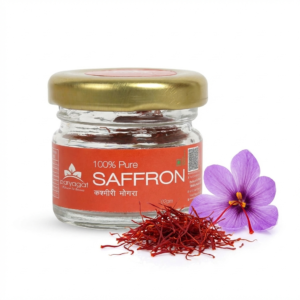
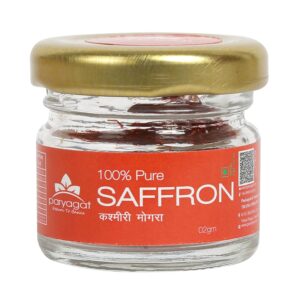
Kashmiri Mongra I Saffron I Crocus sativus I 2 gm
Original price was: ₹1,299.00.₹999.00Current price is: ₹999.00.
41 people are viewing this product right now
🔥 2 items sold in last 24 hours
Key Highlights
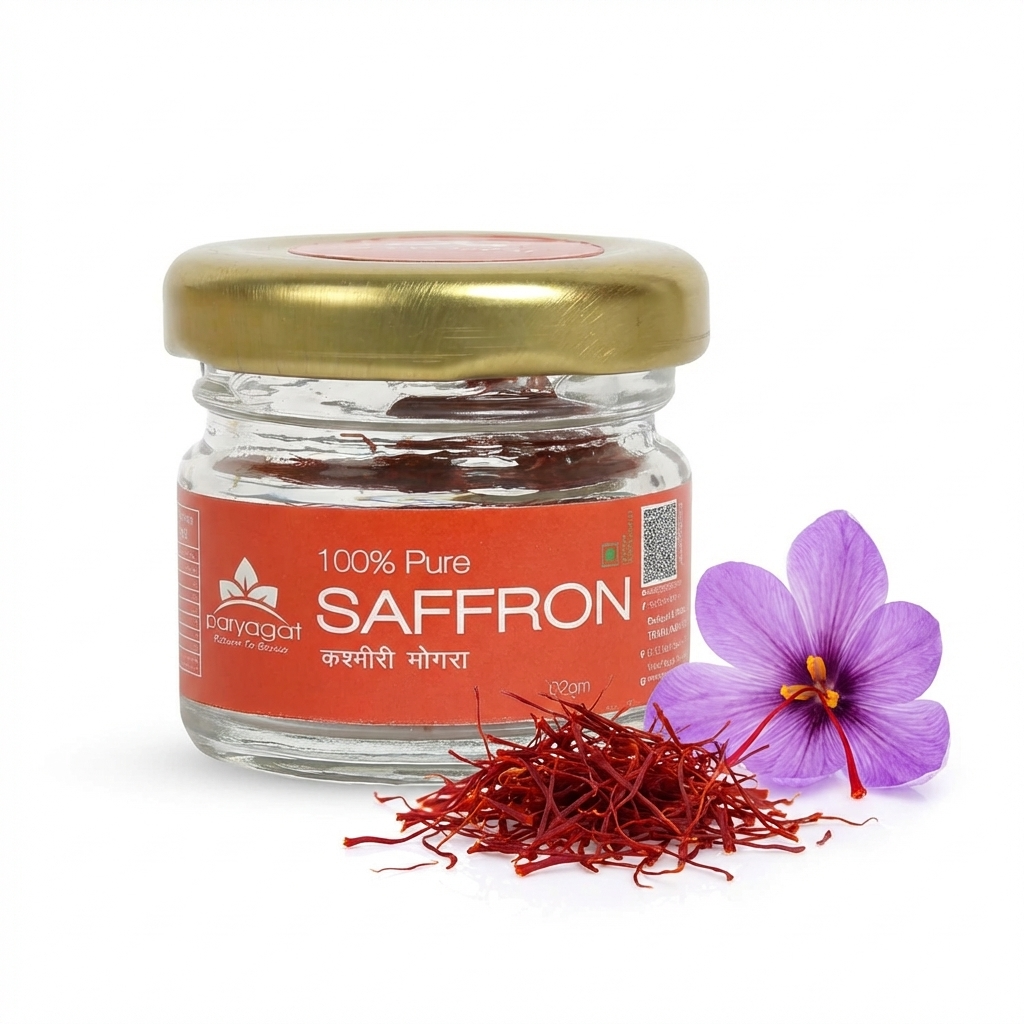
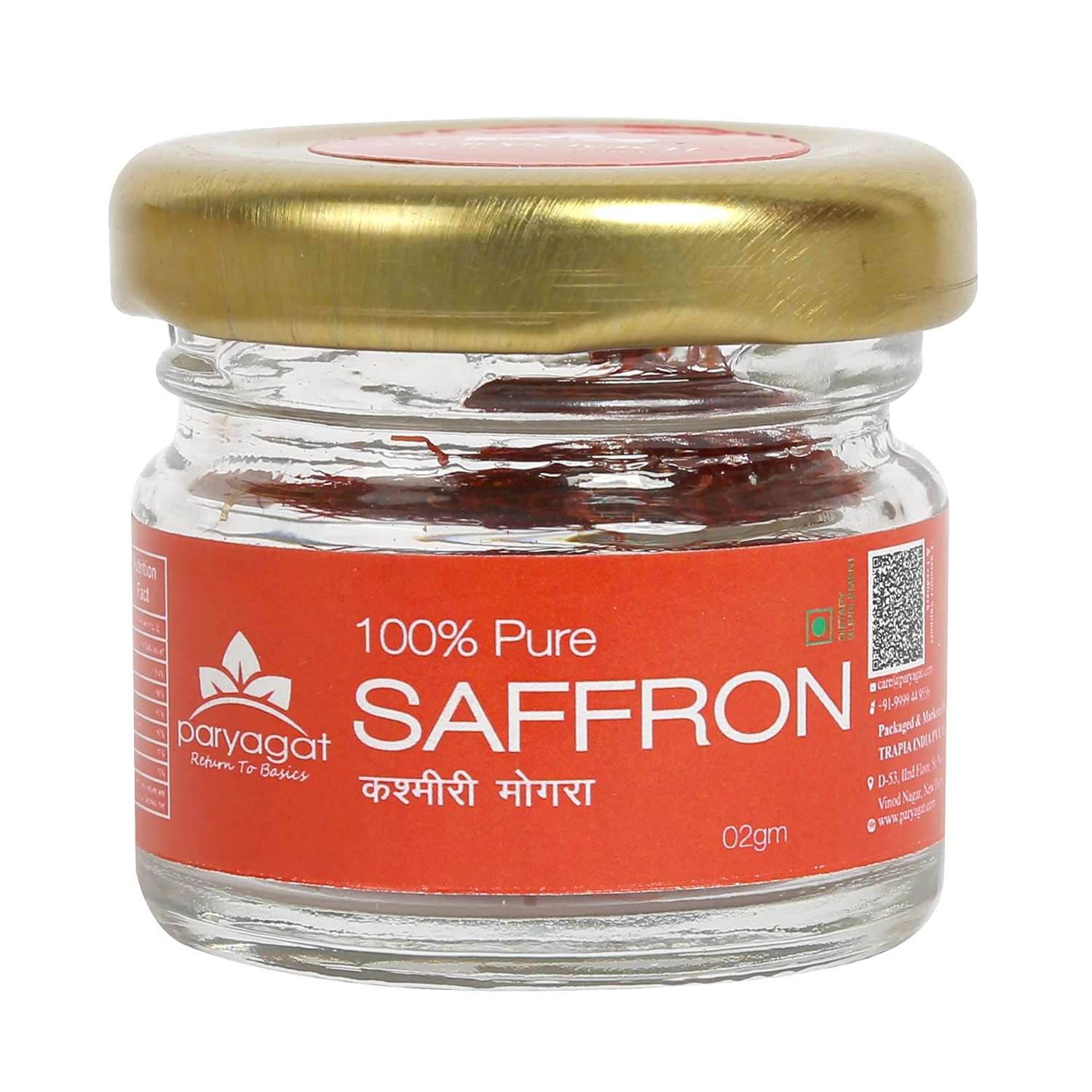
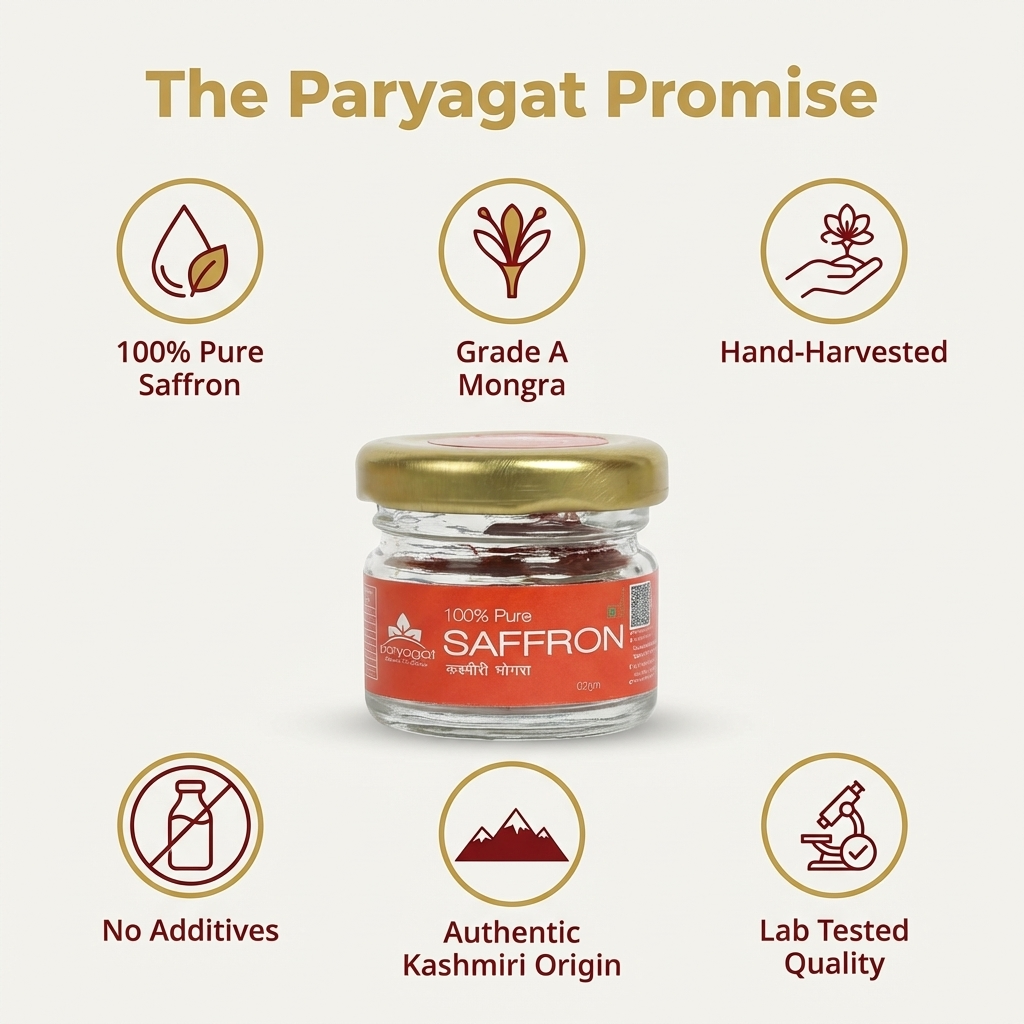
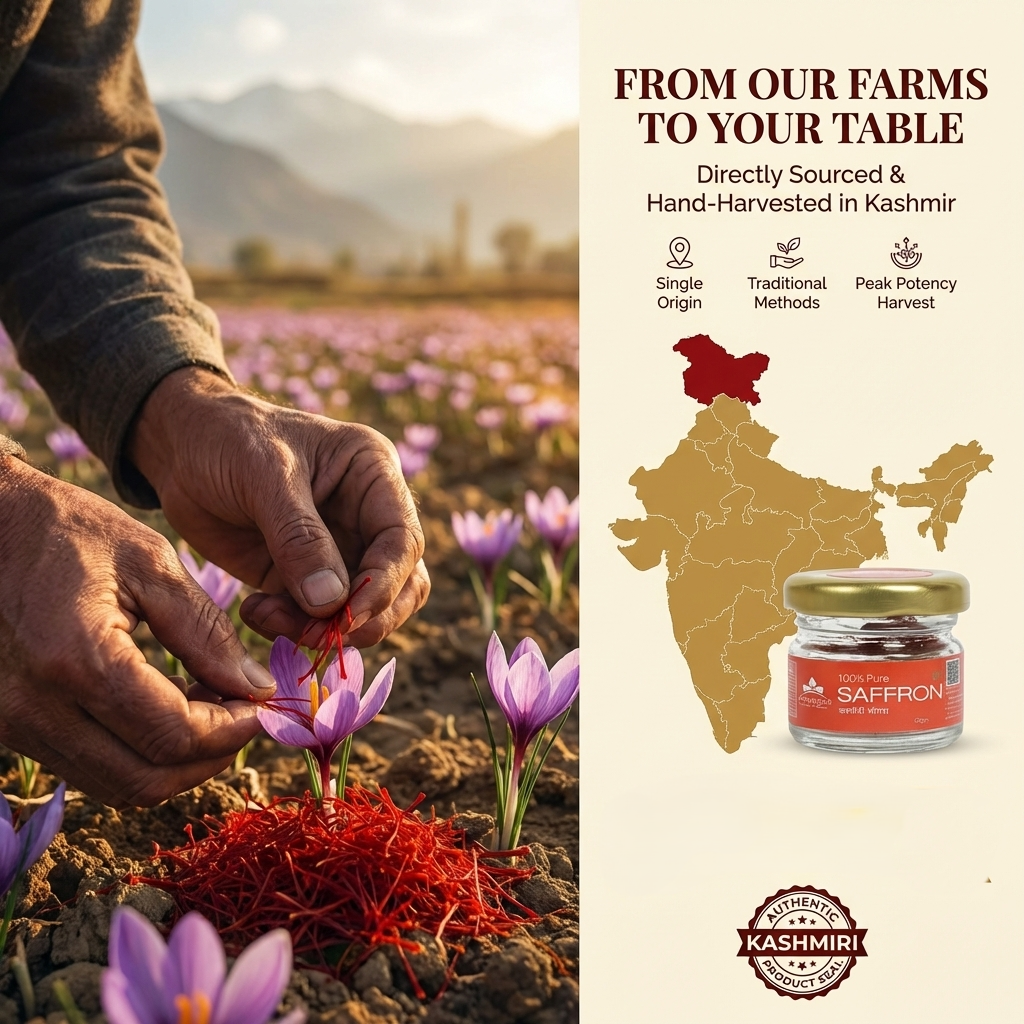
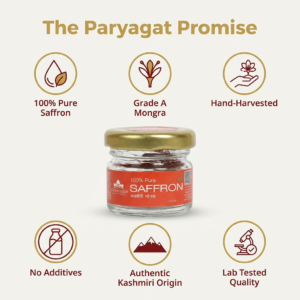
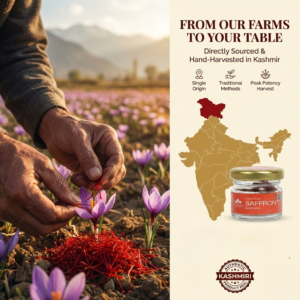
- INGREDIENT – Paryagat Kashmiri Mongra Saffron contains Pure saffron direct from Kashmir; carefully handpicked, stored and delivered to ensure unmatched aroma, flavor and color that will give you a true taste of heaven.
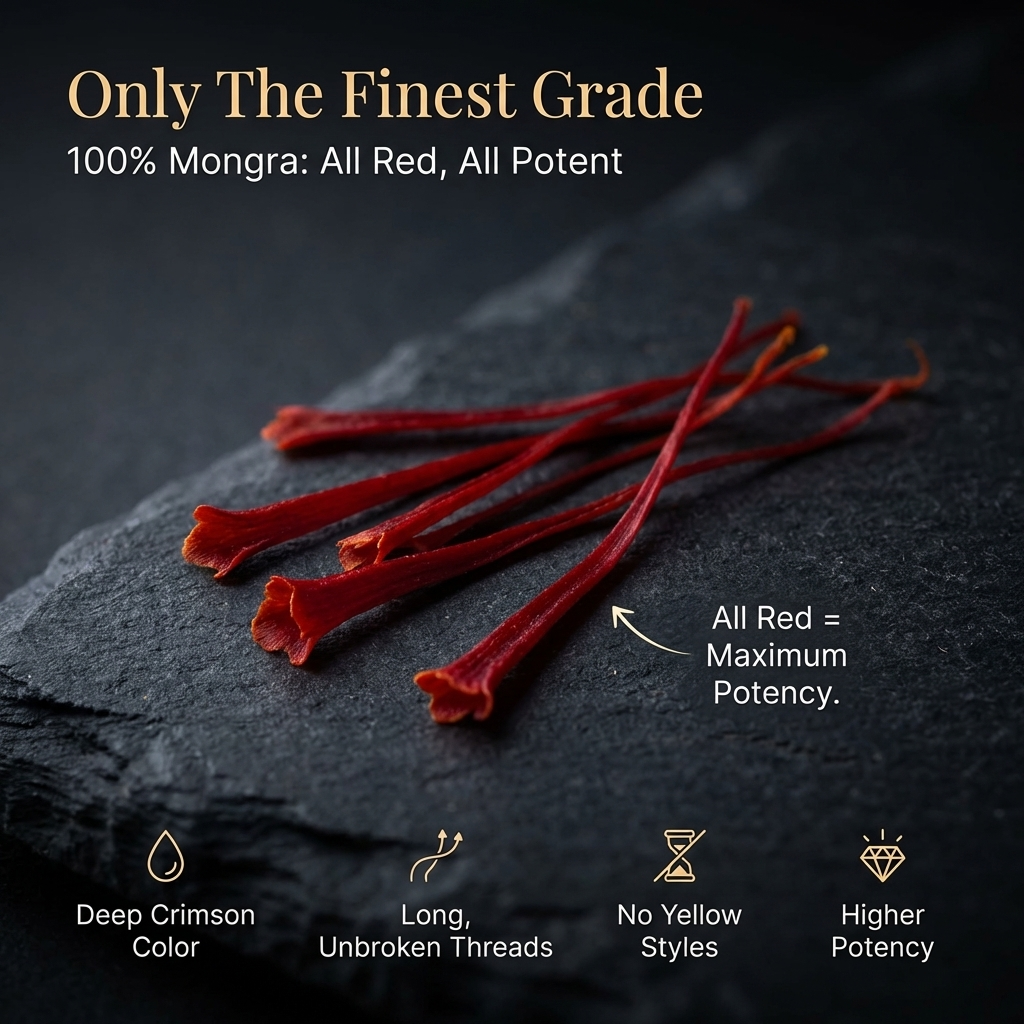
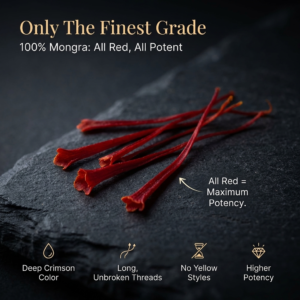
- 100% PURE – No Added Color, No Flavour, No Preservatives. All you get is Red Long Threads Kashmir Mongra Saffron better than Saffron of other countries. Probably one of the best Kesar in the World.
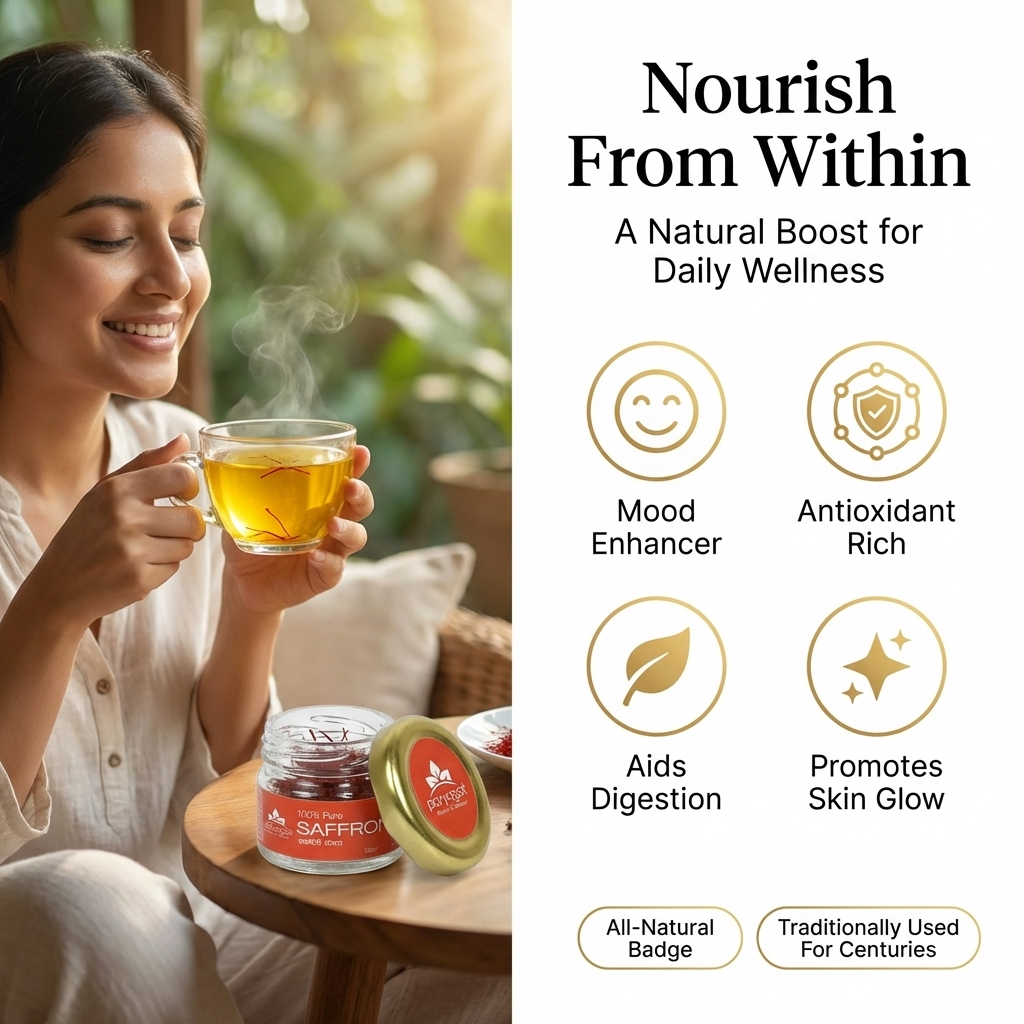
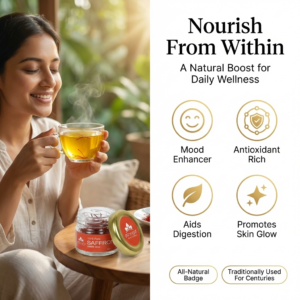
- HEALTH BENEFITS – It has a wide variety of health benefits that help the body and mind stay healthy. It’s rich in antioxidants, enhances memory, and promotes healthy digestion along with so much more!
- FOR ALL AGES – Kashmiri Mongra Saffron is known to be natural antioxidant which provides various Health benefits to men, women and kids. It can be consumed in every stage of life.
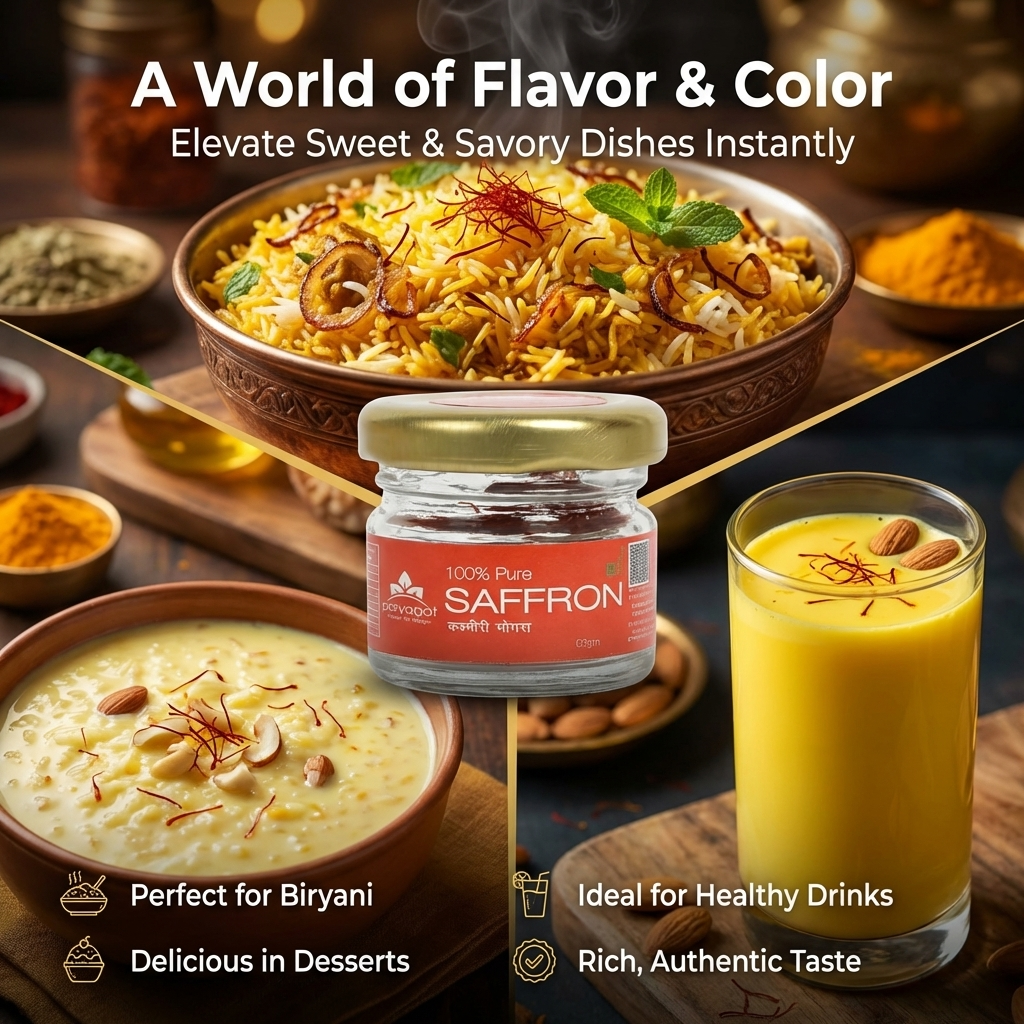
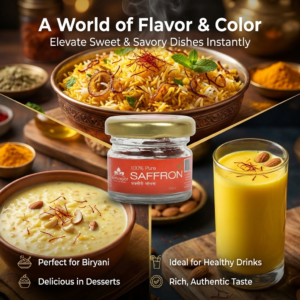
- VERSATILE USAGE – It’s an essential Indian spice that effortlessly enhances the color, flavor, and fragrance of any food. Perfect for making rice, kheer, biryani, Thandai, ice creams, bakery products, chicken and many more items.




Saffron is the world’s most expensive spice, derived from the crimson stigmas of the Crocus sativus flower. Commonly known as “RED GOLD”. Tt takes roughly 75,000 flowers to produce just one pound of the spice, as each flower contains only three delicate threads that must be painstakingly harvested by hand.
- Boosts Mood: Saffron acts as a natural “sunshine spice” that can help improve symptoms of mild-to-moderate depression.
- Protects Brain Function: Its active antioxidants, like crocin, may improve memory and support adults with or early signs of Alzheimer’s disease.
- Supports Heart Health: Regular use may lower blood pressure and reduce blood cholesterol levels, lowering heart disease risks.
- Improves Eye Health: Compounds in saffron protect retinal cells and may help preserve vision in adults with age-related macular degeneration (AMD).
- Aids Weight Management: Saffron can help curb appetite, reduce snacking, and promote a feeling of fullness.
Frequently Asked Questions (FAQs)
- What is it? The delicate, thread-like red stigmas hand-picked from the purple saffron crocus flower.
- Why is it so costly? It takes roughly 75,000 flowers—all harvested and separated completely by hand—to produce just one pound of saffron
Is saffron spicy?
No. It has a sweet, subtle, and slightly bitter floral flavor with a rich, earthy aroma rather than heat.
How much should I use?
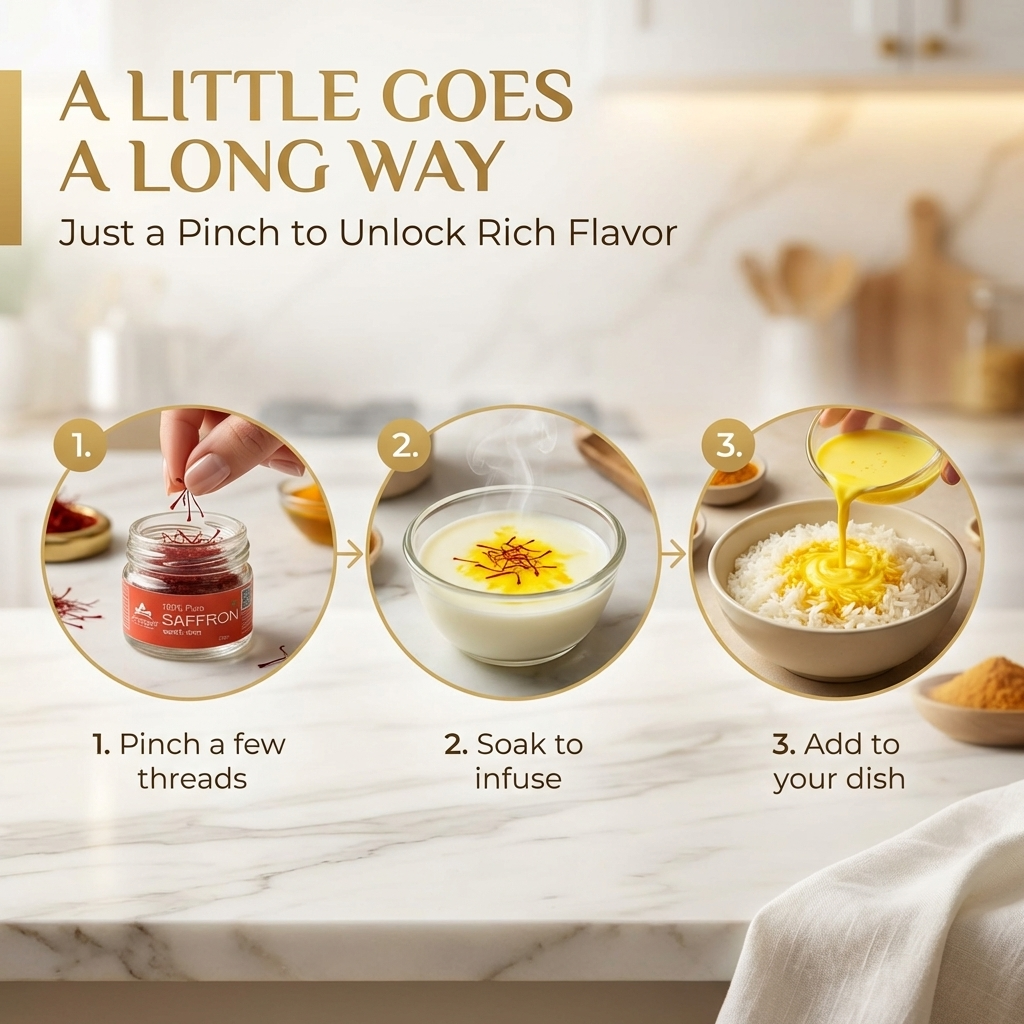
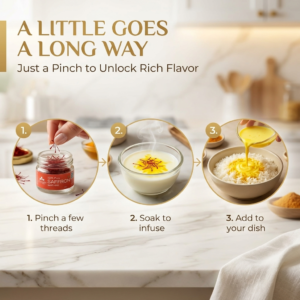
Use very little; typically 3 to 5 threads for a cup of milk or tea, or 8 to 15 threads for a full home-cooking recipe.
Do I need to soak it?
Yes. Bloom 3–5 strands in warm (not boiling) milk, water, or broth for 15–20 minutes before adding it to your dish to unlock its full color and flavor. Add it near the end of cooking if possible.
How can I tell if it’s real?
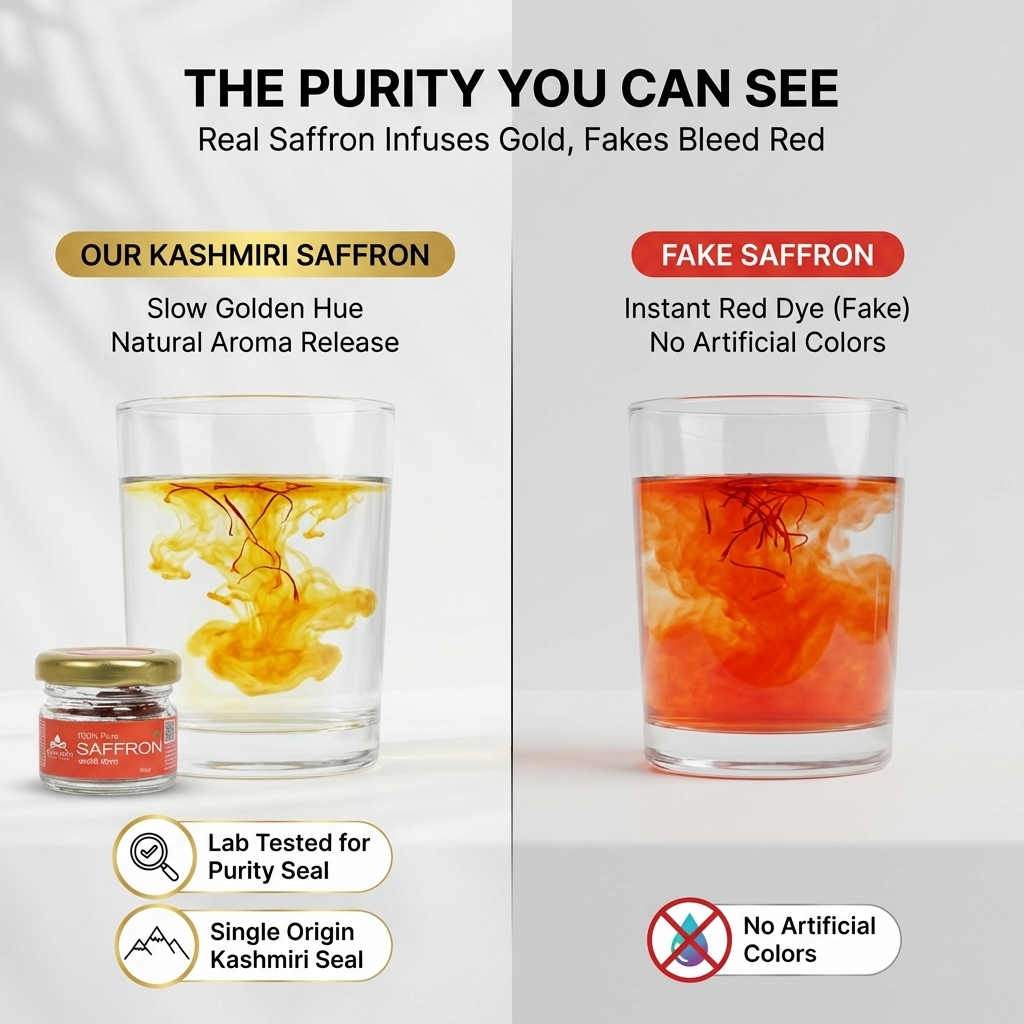
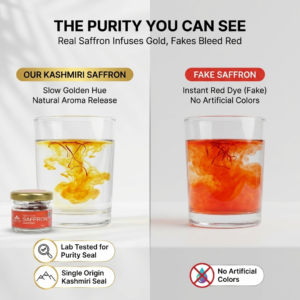
Drop a few threads into warm or cold water. Real saffron releases a slow, golden-yellow hue over minutes and the threads stay red, whereas fake or dyed saffron turns the water red instantly.
How do you store it?
Keep it in an airtight, UV-protected container (like a metal tin or dark glass jar) in a cool, dark, and dry place. It lasts 2 to 3 years, though its flavor fades with age.
NOTE
This product is not intended to diagnose, treat, prevent or cure any disease. Actual product packaging and materials may contain more and/or different information than that shown on web site.
| Pack of | Pack of (1), Pack of (2), Pack of (3) |
|---|
You must be logged in to post a review.
Reviews
There are no reviews yet.