Ashwagandha for Children – Gentle Herbal Support for Growth, Focus & Daily Balance
1.Understanding Ashwagandha in a Child-Focused Context
Ashwagandha is a traditional herbal root that has been used for generations as part of family wellness routines. While it is widely discussed in adult wellness, its use for children has always been gentler, more measured, and deeply rooted in traditional care practices.
In classical households, Ashwagandha was never given to children with the intention of boosting performance or forcing results. Instead, it was included subtly and responsibly, often during phases of growth, learning, seasonal changes, or physical and mental development. The focus was always on supporting balance, not stimulation.
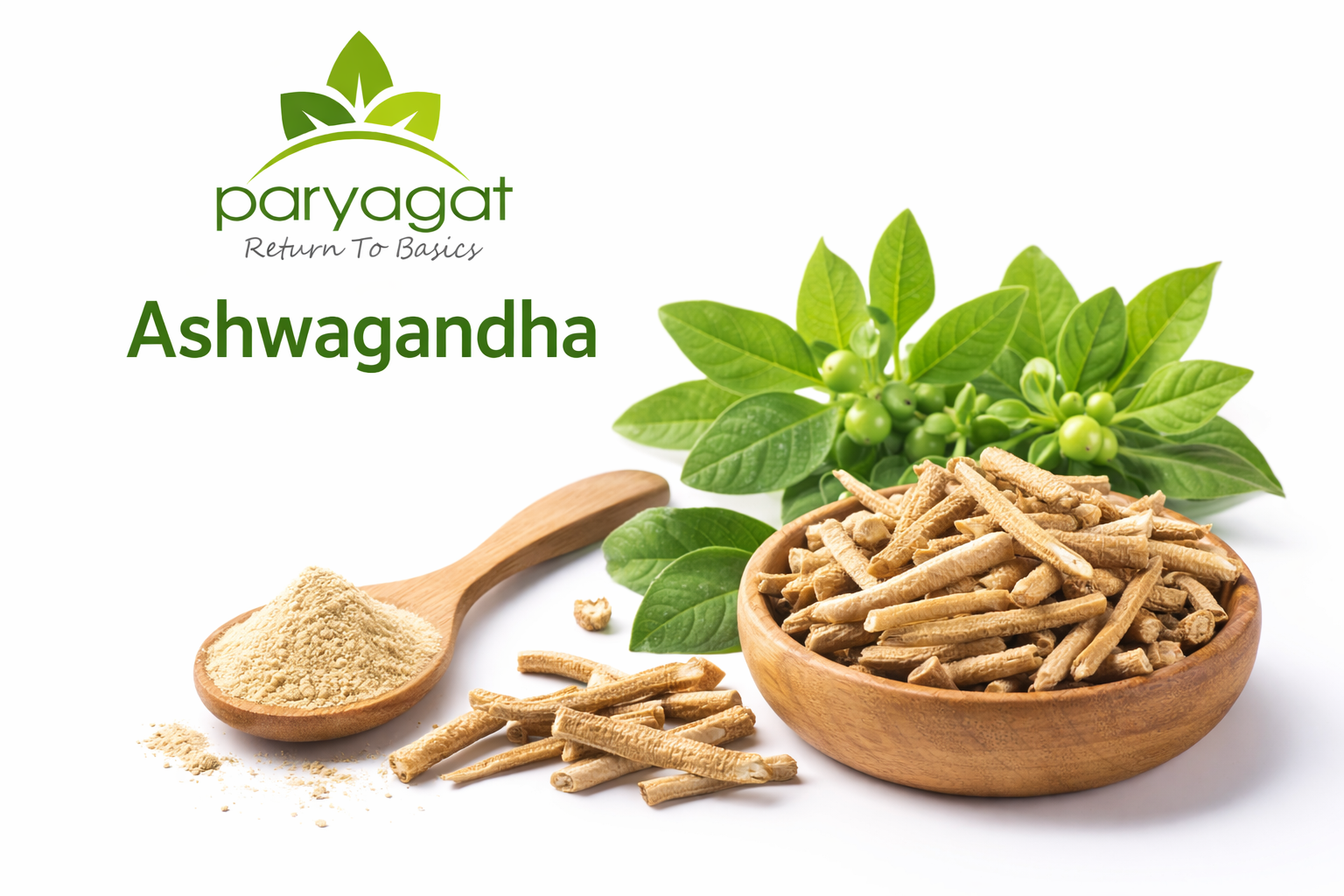
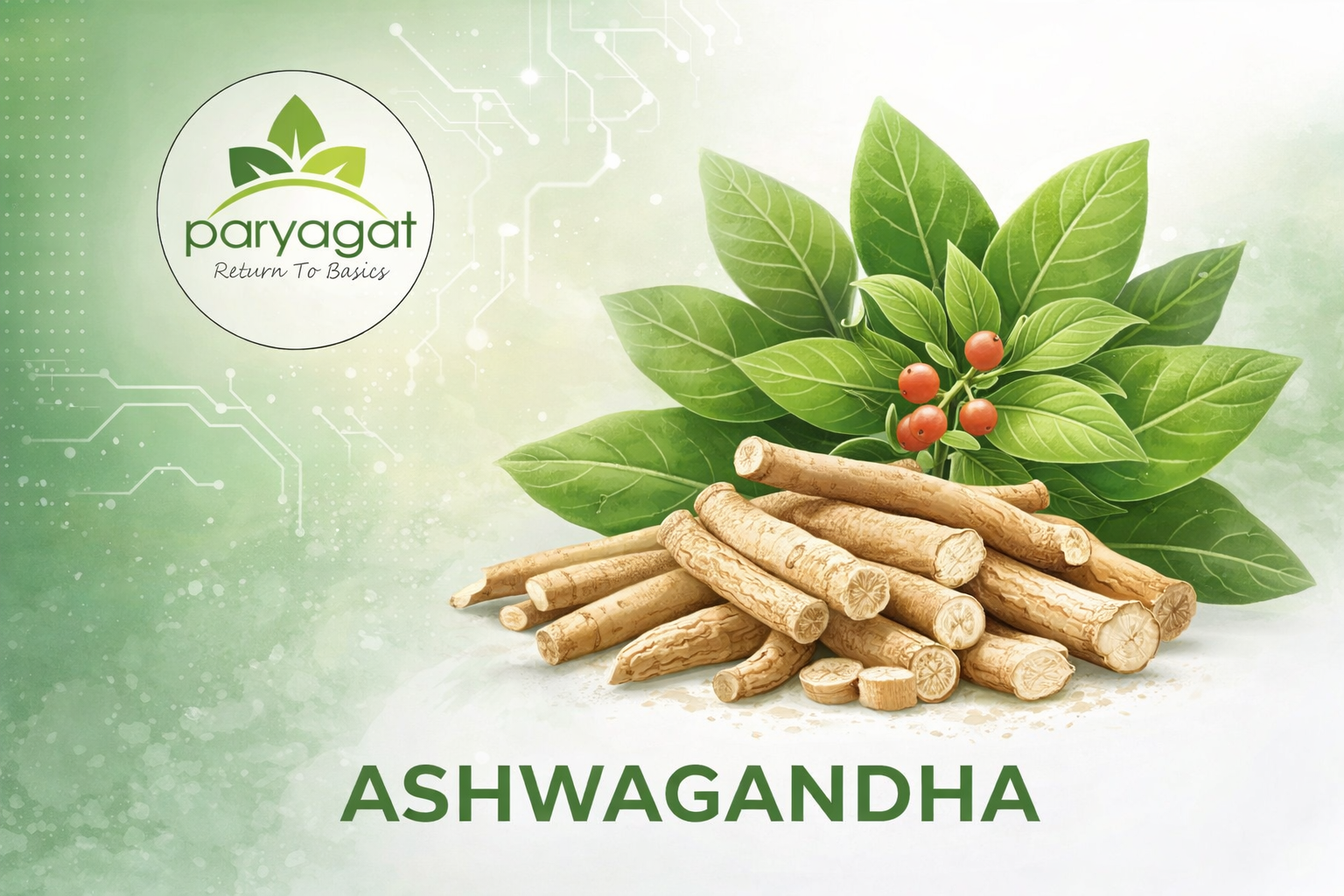
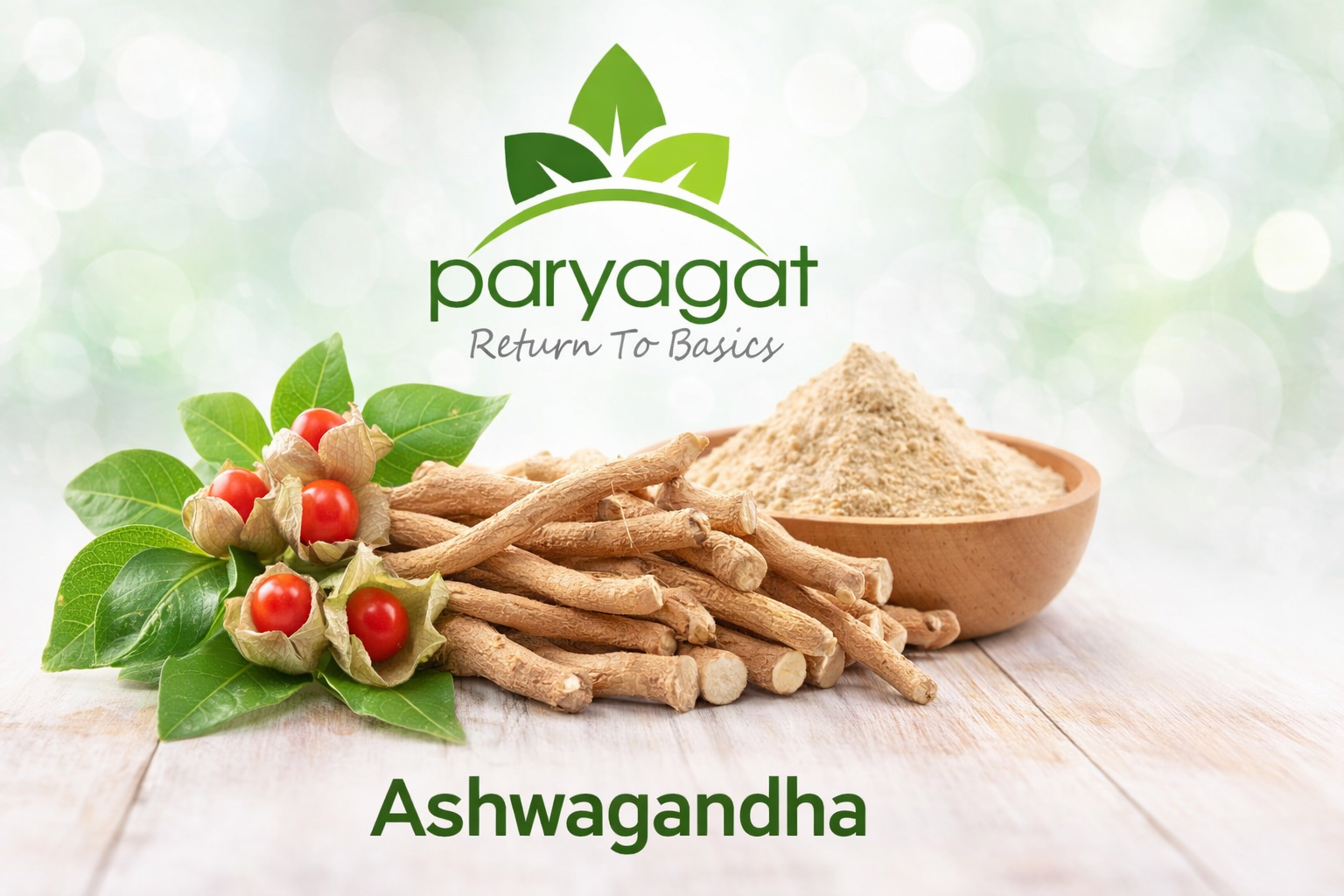
Ashwagandha roots grow slowly underground, absorbing nourishment from the soil over time. This slow and steady growth mirrors how the herb is traditionally viewed for children — as a supportive companion, not a fast-acting ingredient.
At Paryagat, Ashwagandha is cultivated with special attention to purity, maturity, and gentle processing. This is essential when an herb is considered for family and child-focused routines.
Ashwagandha
To explore authentic Ashwagandha Root Powder prepared with traditional care, visit:
👉BUY NOW
2. Natural Composition of Ashwagandha (Educational Overview for Parents)
Ashwagandha roots naturally contain a variety of plant-origin compounds that develop as the plant matures. These compounds exist in balance within the whole root and are not isolated or artificially concentrated in traditional usage.
In a child-focused context, this balance is extremely important. Traditional wisdom always emphasized that children should be exposed only to gentle, whole-food–like herbs, never strong extracts or aggressive formulations.
Some naturally occurring components found in Ashwagandha root include:
-
Withanolide-related plant compounds
-
Naturally occurring alkaloid-like elements
-
Polysaccharides
-
Natural antioxidants
-
Plant sterols
Rather than focusing on individual components, traditional use values the whole-root synergy, which is believed to support the body gradually and gently.
Paryagat follows a whole-root processing philosophy, ensuring:
-
No chemical extraction
-
No isolated concentrates
-
No synthetic enhancement
This makes the product suitable for inclusion in family-oriented wellness routines, under guidance and moderation.
3. Why Choose Paryagat Ashwagandha for Children?
When it comes to children, quality and purity matter more than anything else. Not all Ashwagandha powders are processed with child safety and gentleness in mind.
Farm-Based Cultivation
Paryagat grows Ashwagandha on monitored farmland, ensuring clean soil, natural irrigation, and traceable sourcing.
Chemical-Free Growing Practices
No synthetic fertilizers, pesticides, or growth boosters are used. This reduces unnecessary exposure to residues.
Mature Root Selection
Only fully mature roots are harvested. Immature roots are avoided as they may lack balance.
Gentle Drying & Grinding
Roots are shade-dried and ground under controlled temperatures to preserve natural integrity.
Clean Label Promise
No artificial colors, flavors, preservatives, or fillers.
Ashwagandha
Parents looking for a clean, trustworthy Ashwagandha for family wellness can explore:
👉 BUY NOW
4. Traditional Perspective: Ashwagandha in Child Care Practices
Historically, Ashwagandha was part of holistic child-rearing traditions, not a standalone solution. Elders believed that a child’s development depended on:
-
Balanced food
-
Adequate rest
-
Play and movement
-
Calm emotional environment
Ashwagandha was sometimes introduced:
-
During seasonal changes
-
When children were physically active or learning-intensive
-
As part of nourishment-focused routines
Importantly, Ashwagandha was never forced. Its use was gradual, optional, and always aligned with the child’s overall routine. This philosophy remains relevant today.
5. Lifestyle & Wellness Benefits of Ashwagandha for Children
(Traditional & Policy-Safe Context)
⚠️ Important: The following points describe traditional, lifestyle-based support, not medical treatment or cure.
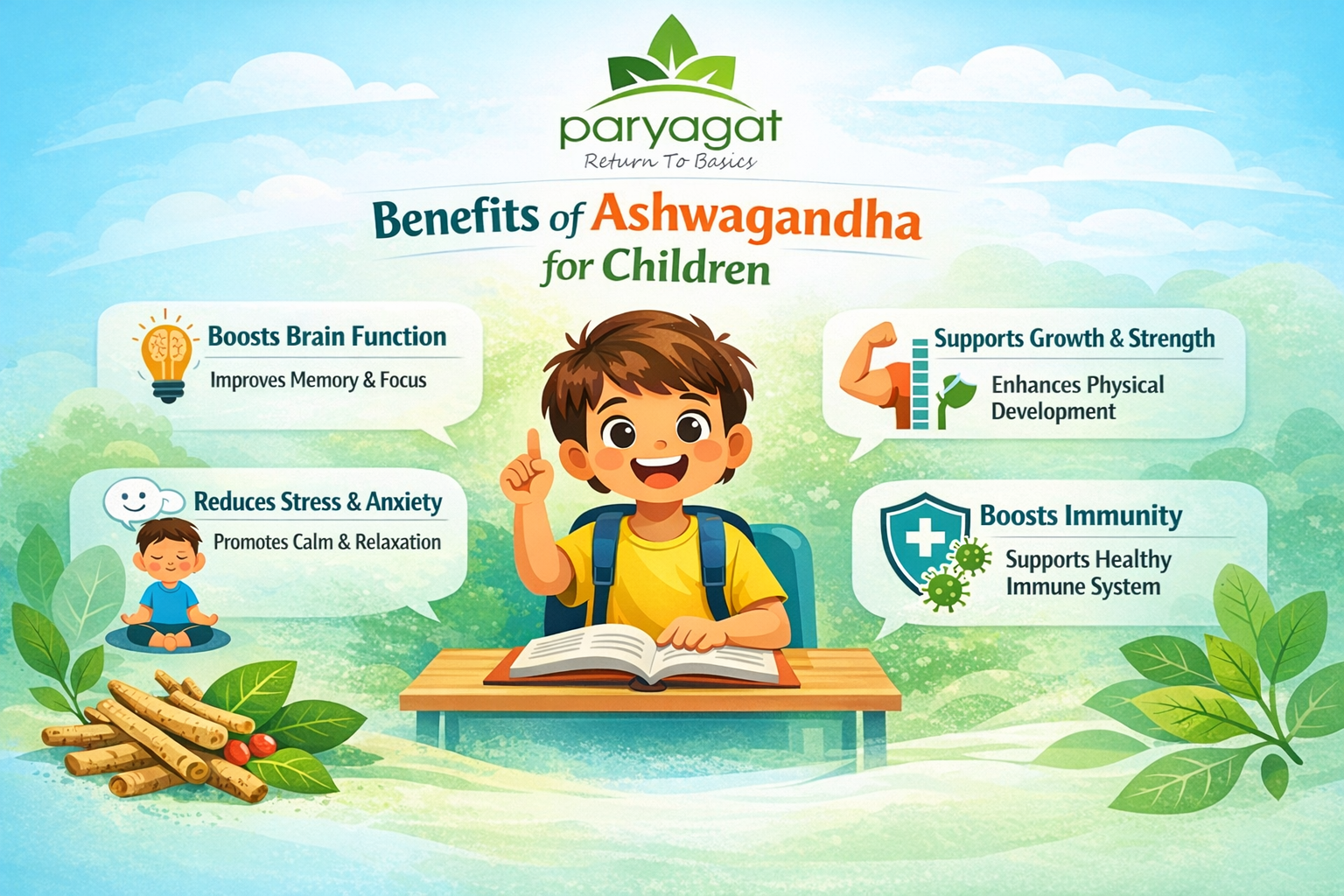
Growth & Development Support
Ashwagandha has traditionally been included in child wellness routines aimed at supporting overall growth and nourishment. It was believed to complement balanced diets rather than replace nutrition.
Learning, Focus & Attention Habits
In traditional households, Ashwagandha was sometimes associated with learning-friendly routines, especially during school-going years. It was believed to support:
-
Calm attention
-
Better engagement with learning activities
-
Reduced mental restlessness
Emotional Balance & Calmness
Children experience emotional changes as they grow. Ashwagandha has traditionally been used in routines that emphasize:
-
Emotional steadiness
-
Calm responses
-
Better adaptability to change
This made it suitable for children during transitions such as new schools or schedules.
Sleep-Friendly Routines
Ashwagandha is often associated with calm evening routines. Traditionally, it was included as part of habits that encourage:
-
Relaxation
-
Consistent sleep cycles
-
Reduced restlessness before bedtime
Energy Balance (Not Stimulation)
Unlike stimulants, Ashwagandha is traditionally associated with steady energy patterns. For children, this means:
-
Supporting active play
-
Avoiding hyperactivity
-
Encouraging balanced daily rhythms
Immunity-Supporting Lifestyle
Ashwagandha has historically been included in seasonal wellness routines for children, especially during weather changes, as part of overall resilience-focused living.
Digestive Comfort & Nourishment
In some traditions, Ashwagandha was used gently to support digestive comfort, especially when children followed disciplined meal routines.
Physical Activity & Strength Development
Ashwagandha has been associated with supporting physical development in active children when combined with proper nutrition and rest.
To include Ashwagandha in a child-focused wellness routine, explore:
👉 BUY NOW
6. Frequently Asked Questions (FAQs) – Ashwagandha for Children
1. Is Ashwagandha a medicine for children?
No. It is a traditional herbal root used in lifestyle and nourishment routines.
2. Can children use Ashwagandha daily?
Traditionally, it has been used gently and in moderation, depending on routine and age.
3. Which part of Ashwagandha is used?
Only the root.
4. Is Paryagat Ashwagandha natural and clean?
Yes. It is farm-grown, chemical-free, and carefully processed.
5. Does it contain additives or preservatives?
No artificial additives or preservatives are added.
6. How was Ashwagandha traditionally given to children?
Mixed in warm milk or food, in very small amounts, as part of daily routines.
7. Where can parents buy authentic Ashwagandha Root Powder?
Ashwagandha
👉 BUY NOW
Conclusion
Ashwagandha, when viewed through a traditional child-care lens, is not about enhancement or performance. It is about supporting balance, calmness, and steady development as children grow and adapt to their surroundings.
Paryagat’s Ashwagandha Root Powder reflects this philosophy by offering:
-
Farm-grown purity
-
Whole-root processing
-
Chemical-free practices
-
Gentle, traditional preparation
For parents seeking a trusted, heritage-based herbal option to complement a child’s balanced lifestyle, Ashwagandha from Paryagat offers a thoughtful and responsible choice.
Add comment
You must be logged in to post a comment.