
Ashwagandha – The Adaptation Herb for Modern Life, Daily Balance & Long-Term Resilience
1. What Is Ashwagandha?
Ashwagandha is a deeply respected herb that belongs to a unique category of plants traditionally valued not for instant effects, but for their ability to help the body adapt to changing conditions. Unlike many herbs that are used for short-term purposes, Ashwagandha has always been associated with long-term resilience, stability, and inner strength.
The plant is a small shrub with oval leaves and berry-like fruits, but the most valued part is its root. The root grows underground, slowly absorbing nutrients from the soil over time. This slow growth is central to Ashwagandha’s traditional identity—its value is believed to come from patience and maturity, not speed.
Historically, Ashwagandha was not consumed casually. It was introduced gradually into daily routines, often during periods of transition—changes in work, climate, age, or lifestyle. This made it a supportive companion herb, rather than a reactionary one.
At Paryagat, Ashwagandha is cultivated with this philosophy in mind. The plant is allowed to grow naturally, harvested at the right maturity, and processed carefully so the root retains its original character.
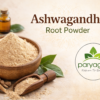
If you are looking for authentic Ashwagandha Root Powder prepared with traditional care, explore it here:
👉 BUY NOW
2. Active Molecules in Ashwagandha (Educational & Neutral Overview)
Ashwagandha roots naturally contain a wide spectrum of plant-origin compounds that develop gradually as the plant matures. These compounds are part of the root’s natural structure and are not artificially created or enhanced in traditional use.
Some naturally occurring groups of compounds discussed in botanical literature include:
-
Withanolide-related compounds
-
Alkaloid-like plant elements
-
Natural sterols
-
Polysaccharides
-
Antioxidant-associated molecules
What makes Ashwagandha unique is not any single compound, but the way these elements exist together in balance. Traditional use focused on the whole root, believing that isolating individual components could disturb the herb’s natural harmony.
Paryagat follows a whole-root processing approach, which means:
-
No chemical extraction
-
No isolated concentrates
-
No synthetic fortification
This preserves the root’s original composition and keeps the herb aligned with traditional usage.
3. Why Choose Paryagat Ashwagandha?
The market today is full of Ashwagandha products, but quality varies widely. The difference lies in soil, maturity, processing, and transparency.
Farm-Based Cultivation
Paryagat grows Ashwagandha on monitored farmland rather than sourcing anonymous bulk material. This ensures traceability and consistent quality.
Natural Growth Cycle
The plant is allowed to complete its full growth cycle. Early harvesting, which reduces root depth and character, is avoided.
Chemical-Free Practices
No synthetic fertilizers, pesticides, or growth stimulants are used. This is critical for a root consumed regularly.
Root-Only Processing
Only mature roots are used. No leaves, stems, or fillers are added.
Controlled Drying & Grinding
Roots are cleaned, shade-dried, and ground under controlled conditions to preserve texture and aroma.
Clean Label Commitment
No artificial colors, preservatives, or bulking agents.
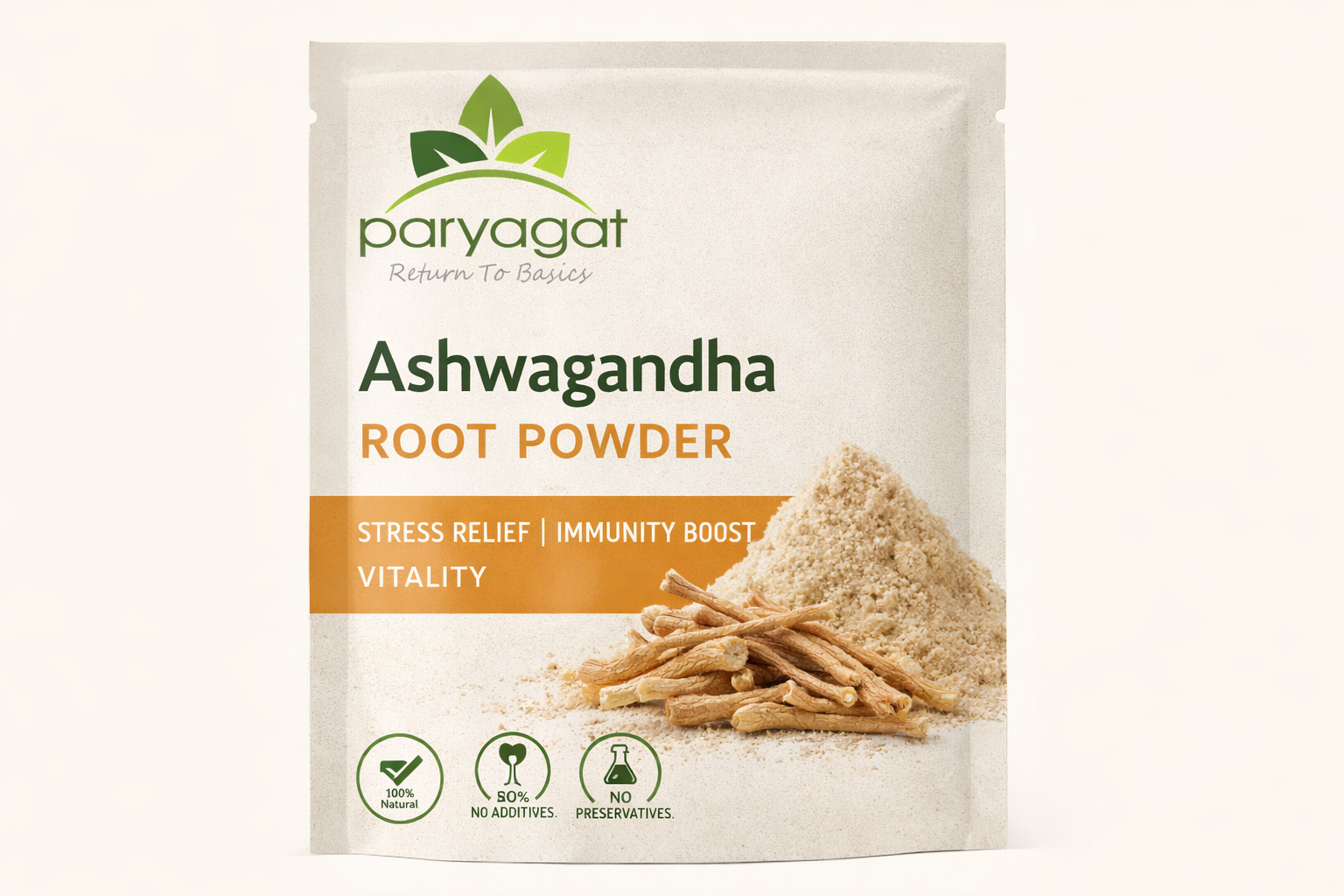
To choose Ashwagandha that respects both tradition and purity, visit:
👉 BUY NOW
4. Ancient History of Ashwagandha as an Adaptation Herb
Unlike herbs associated with a single function, Ashwagandha has historically been viewed as an adaptation herb—a plant used to support the body during change.
In ancient traditions:
-
Ashwagandha was given during seasonal shifts
-
Used when lifestyle demands increased
-
Included during aging-related transitions
-
Combined with disciplined daily routines
Rather than reacting to discomfort, Ashwagandha was used proactively, helping individuals maintain balance during demanding phases of life. Warriors, scholars, householders, and elders all used Ashwagandha differently, depending on their routines and responsibilities.
This adaptability is why Ashwagandha remains relevant today, especially in fast-paced modern lifestyles.
5. Health & Lifestyle Benefits of Ashwagandha
(Traditional, Adaptive & Policy-Safe Context)
⚠️ Important: The following benefits are described in traditional and lifestyle context only, not as medical treatment or cure.
Benefits as per Age
Young Adults
Traditionally included during periods of increased responsibility, learning, or physical demand.
Working Professionals
Used in routines focused on mental steadiness, energy regulation, and daily resilience.
Elderly
Included gently to support strength maintenance and consistency in daily living.
Benefits as per Gender
For Men
Ashwagandha has historically been included in routines emphasizing stamina, strength, and mental discipline.
For Women
Used as part of holistic routines supporting balance, nourishment, and adaptability.
Lifestyle & Wellness Focus Areas
Stress Adaptation & Mental Resilience
Ashwagandha is traditionally associated with helping the body adjust to mental and emotional demands rather than overstimulation.
Energy Regulation (Not Stimulation)
Unlike stimulants, Ashwagandha is used to support steady energy patterns.
Sleep-Friendly Lifestyle
Often included in evening routines aimed at relaxation and recovery.
Strength & Endurance Support
Traditionally used to maintain physical capacity over time.
Hormonal Balance-Focused Lifestyle
Included in routines emphasizing internal equilibrium and consistency.
Heart-Friendly Daily Living
Associated with calm, balanced routines rather than intensity.
Brain Health & Focus
Used to support clarity and steady attention in daily tasks.
Immunity-Supporting Lifestyle
Included seasonally to support internal resilience.
Sexual Health & Vitality (Holistic Context)
Traditionally associated with vitality-focused lifestyles, not targeted solutions.
Diabetes-Conscious Living
Included in disciplined food and lifestyle routines (not a treatment).
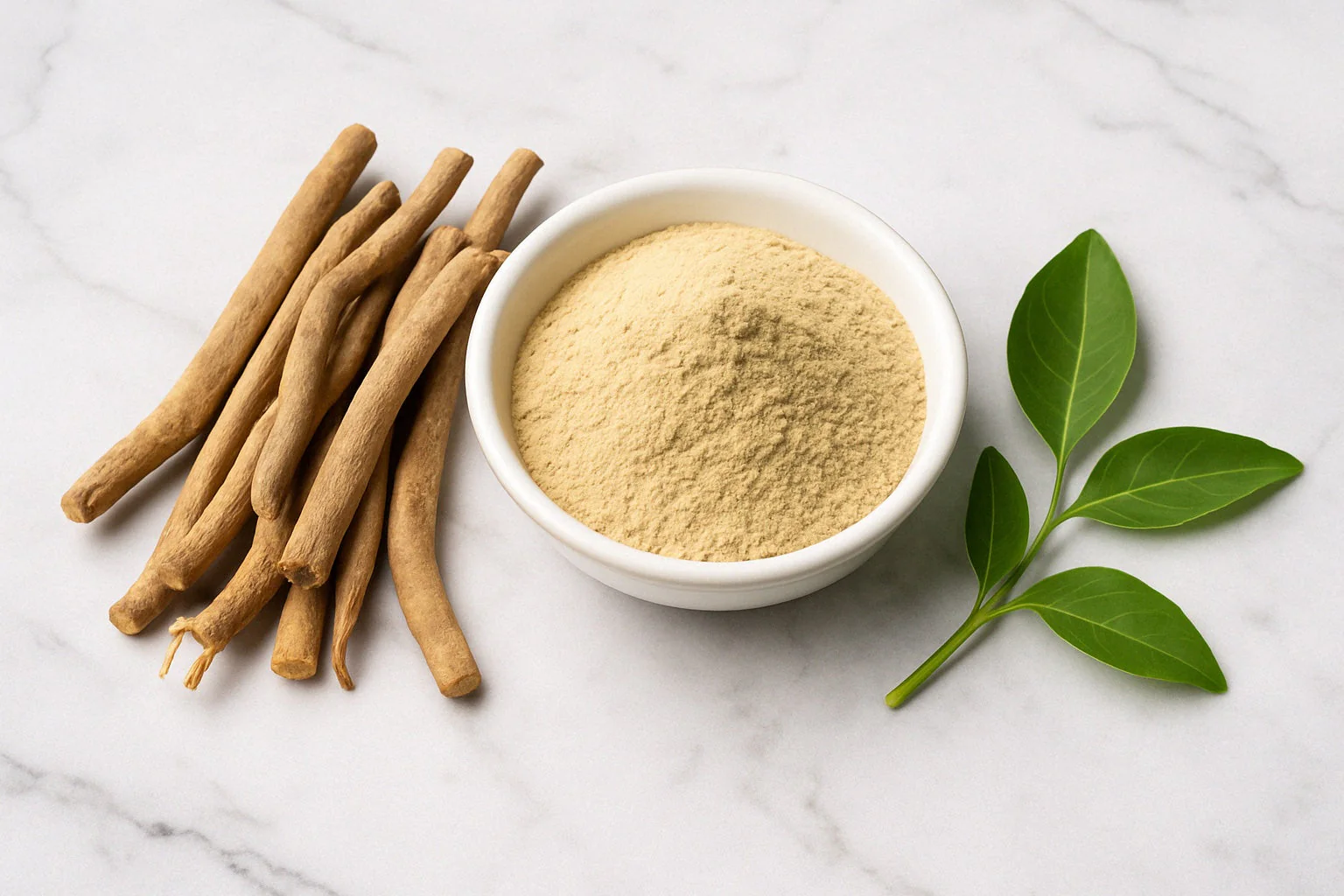
To include Ashwagandha in your daily routine, explore:
👉 BUY NOW
6. Frequently Asked Questions (FAQs)
1. Is Ashwagandha a medicine?
No. It is a traditional herbal root used in lifestyle and wellness routines.
2. Can Ashwagandha be used daily?
Traditionally, yes, when used consistently and in moderation.
3. Which part of the plant is used?
Only the root.
4. Is Paryagat Ashwagandha natural?
Yes. It is farm-grown and chemical-free.
5. Does it contain additives or preservatives?
No artificial additives or preservatives are added.
6. How is Ashwagandha traditionally consumed?
Mixed with warm milk, water, or included in herbal blends.
7. Where can I buy authentic Ashwagandha Root Powder?
👉 BUY NOW
Conclusion
Ashwagandha is not just a herb—it is a philosophy of adaptation and resilience. Its traditional value lies in helping individuals remain steady through life’s constant changes. When grown responsibly and used thoughtfully, Ashwagandha becomes a quiet but powerful companion in daily wellness.
Paryagat’s Ashwagandha Root Powder stands out because it is:
-
Farm-grown
-
Whole-root based
-
Chemical-free
-
Traditionally processed
If you are looking for authentic Ashwagandha that aligns with both ancient wisdom and modern purity expectations, this is a reliable choice:
👉BUY NOW
Add comment
You must be logged in to post a comment.